




Key Takeaways:
- What Data as a Service (DaaS) is and how it differs from traditional data collection.
- The main benefits of DaaS and why businesses may need ongoing data services.
- How DaaS works, from data collection and processing to updating and delivery.
- What types of data DaaS can provide and where businesses commonly use it.
- What to consider when choosing a DaaS provider.
Businesses today are surrounded by data. Market trends, competitor activity, product prices, customer information, and industry news can all provide useful insights for business decisions.
But getting raw data is only the beginning. Businesses also need to consider where the data comes from, how unstructured information should be organized, how often it needs to be updated, and whether it can be connected to existing business tools. As a business grows, these requirements can become increasingly difficult to manage entirely in-house.
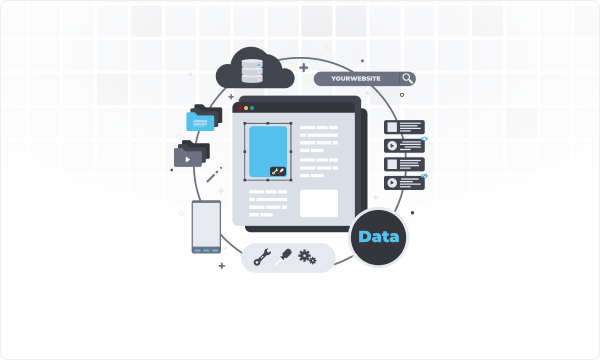
Data as a Service (DaaS) is a data service model designed to address these challenges. It brings data collection, processing, and delivery together as a service, allowing businesses to access the data they need without building and maintaining an entire data infrastructure from scratch.
So, what exactly is Data as a Service? What are its benefits, and how does it work?
What Is Data as a Service?
Data as a Service (DaaS) is a service model that allows businesses to access data without handling every part of the data process themselves. Instead of managing data collection, processing, storage, and maintenance entirely in-house, businesses can obtain processed data from DaaS providers and connect it to their systems or workflows through APIs, datasets, files, and other methods.
The value of DaaS is not simply in providing data. It is also about making data available in a consistent way over time. Depending on the service, providers may handle data source management, processing, updates, and delivery, while businesses can choose the data types, geographic coverage, and update frequency that match their needs.
This is different from simply purchasing a dataset once. A one-time dataset is more like an individual data product. Once the data has been delivered, the business may still need to handle future updates and maintenance itself. DaaS, on the other hand, focuses more on ongoing data supply. As long as the service remains in use, businesses can receive updated data according to the agreed service terms.
In simple terms, DaaS turns the supply of data into an ongoing service. Businesses can focus on what data they need and how they plan to use it, while the provider handles part of the work involved in collecting, processing, and supplying that data.
全面解析大纲-1-scaled.png)
What Are the Benefits of Data as a Service?
Lower Data-Related Costs
Building a complete data workflow requires businesses to consider where data comes from, which tools to use for collection, where to store it, and how to maintain it over time. DaaS shifts part of this work to the service provider, so businesses do not need to build separate infrastructure for every data requirement. This can be especially useful when data needs change frequently.
Reduce Data Processing and Maintenance Work
Data usually cannot be used immediately after it is collected. It may need to be cleaned, organized, and updated before it becomes useful. When a provider handles part of this process, internal teams can spend less time on repetitive data tasks and focus more on analysis and business applications.
Adapt to Changing Data Needs
Business data requirements are rarely fixed. Entering a new market, launching a new product, or changing business priorities may create demand for new data types or coverage in new regions.
With DaaS, businesses can adjust their data services based on changing requirements instead of rebuilding an entire data workflow every time their needs change.
Make Data Easier to Integrate Into Existing Workflows
DaaS is commonly delivered through APIs, datasets, files, and other formats. Businesses can choose an approach that fits their technical environment and existing workflows. Once integrated, the data can be used for analysis, monitoring, reporting, and other business processes.
Why Do Businesses Need Data as a Service?
Internal Data Cannot Cover Every Business Need
Sales records, customer information, and operational data can help businesses understand their own performance, but they cannot answer every question about the market.
Businesses may also need to know how a target market is changing, what competitors are launching, or whether consumer preferences are shifting. Answering these questions often requires information from outside the organization, making external data useful for market research, competitive analysis, product planning, and other business activities.
Business Changes Create New Data Requirements
The data a business needs can change as the business develops. A company may initially focus on one market and later need to compare several regions. It may start by monitoring product prices and later need information about inventory, rankings, or customer feedback.
As these requirements change, it can become difficult to rely on the same data sources and workflows indefinitely.
Many Types of Data Are Time-Sensitive
External information does not remain unchanged. Product prices can move, rankings can shift, and industry news is constantly being updated. For businesses that need to make decisions based on current information, data collected several months or even several days ago may no longer provide an accurate picture.
This means businesses need to consider more than whether data is available. They also need to look at when it is updated, how frequently updates are made, and whether the latest information can be obtained consistently.
When data requirements involve coverage, update frequency, and access methods, purchasing a dataset once may not be enough for long-term use. This is one reason businesses turn to Data as a Service.
How Does Data as a Service Work?

Defining Data Requirements and Sources
Before using DaaS, businesses first need to determine what data they need, including data type, geographic coverage, target markets, and update requirements.
Based on these requirements, the provider can identify suitable data sources. Common sources include authorized business data, public data, third-party data sources, and publicly available information on the web. Different sources can vary in how the data is collected, how much information is available, and how frequently it can be updated.
Collecting and Processing Raw Data
Once the data sources have been determined, the provider collects the required information through the appropriate methods. Raw data is often fragmented, and information from different sources may use different formats. It can also contain duplicate, missing, or invalid records.
The data therefore needs to be cleaned, deduplicated, organized, and standardized. For larger datasets, additional classification and structuring may also be needed to make the information easier to query and use.
Keeping Data Updated
If the data changes over time, processing it only once is not enough. Product prices, inventory, rankings, and industry information can all change, so providers may need to update the data on a regular schedule.
The appropriate update frequency depends on the type of data and the business requirement. Some datasets may only need daily updates, while information that changes rapidly may require more frequent updates.
Delivering Data in Different Formats
Once the data has been processed, it needs to be delivered in a format that businesses can use. Common options include APIs, datasets, and files.
The right format depends on how the business plans to use the data. APIs are generally more suitable for applications that need to access data continuously, while datasets and files can work well for periodic data collection and analysis.
What Types of Data Can Data as a Service Provide?
DaaS is not limited to one particular type of data. Depending on the provider and its data sources, businesses can access different types of information for different business needs.
Business, Commercial, and Market Data
- Company information: Company names, industries, company size, business activities, and other publicly available business information.
- Market data: Market size, industry trends, market share, and other information about market changes.
- Competitive data: Competitors’ products, pricing, business performance, and other relevant information.
- Product data: Product names, categories, specifications, brands, and other structured product information.
- Consumer data: Consumer preferences, purchasing behavior, and information related to market demand.
Financial, Geographic, and Other Specialized Data
- Financial data: Stock prices, exchange rates, market indicators, and other financial market information.
- Economic data: Inflation, employment, consumer spending, and other macroeconomic indicators.
- Geographic data: Locations, regions, geographic information, and related location data.
- Demographic data: Population size, age distribution, income levels, and other demographic statistics.
- Industry data: Data from specific industries such as healthcare, logistics, real estate, and energy.
Web Data
- Web page content: Product pages, company pages, news, and other publicly available web content.
- Public rankings: Search results, product rankings, and other publicly available rankings.
- Pricing information: Public price changes across different websites or markets.
- User feedback: Product reviews, ratings, and other publicly available feedback.
- Industry information: News, industry developments, and other market-related content.
The types of data available vary from one DaaS provider to another. Businesses should choose services based on their business goals, target markets, and specific data requirements.
How Is Data as a Service Delivered?

DaaS can be delivered in different ways. Businesses can choose an access method based on how they plan to use the data, how frequently it needs to be updated, and their existing technical setup. Common options include APIs, data streams, datasets, and files.
APIs and Data Streams
APIs are useful for businesses that need to connect data directly to their existing systems. Businesses can retrieve data through an interface and send it to their databases, analytics tools, or other applications without manually downloading the data each time.
For data that changes quickly, such as prices, inventory, and market information, data streams can help deliver updates with less delay. These methods are generally more suitable for applications where data freshness is important.
Datasets and Files
For businesses that do not need to query data frequently, complete datasets or files can be more convenient. Providers can organize the requested data and deliver it in common formats such as CSV or JSON.
Businesses can then store, analyze, or process the data according to their own workflows. This approach can work well for periodic data collection, offline analysis, or applications that require historical datasets.
What Are the Use Cases of Data as a Service?
Market Research and Competitive Analysis
When entering a new market or adjusting a business strategy, companies need to understand factors such as market size, industry trends, competitive conditions, and consumer demand. DaaS can provide continuously updated market and commercial data, reducing the need to rely on one-time market research.
By collecting data over time, businesses can compare changes in the market and monitor competitors’ product offerings, pricing, and market performance.
For businesses researching multiple countries or regions, ongoing access to data from different markets can also make cross-market comparisons easier. Differences in product prices, market demand, and competitive conditions can provide useful input for market entry strategies, product planning, and pricing decisions.
E-Commerce and Price Monitoring
Many aspects of e-commerce change frequently. Product prices, inventory, rankings, reviews, and promotions can all change over time. Checking a small number of products manually may be manageable, but monitoring many products or multiple markets can quickly become time-consuming.
Ongoing data services make it easier to track these changes and compare information collected at different points in time. Historical data can help businesses understand current product conditions as well as identify pricing patterns and broader market trends.
When businesses need to monitor product information across different countries or regions, geographic differences in data access can also become important. NovProxy provides residential IPs across multiple countries and regions, which can provide network infrastructure support for e-commerce price monitoring, product data collection, and other use cases that require location-specific data access.

Financial and Business Analysis
Financial market data can change rapidly. Stock prices, exchange rates, and economic indicators are constantly moving, so financial analysis often requires a consistent source of updated information.
Businesses and analysts can use this data to monitor market movements, identify trends, and support risk assessment and business decisions. Similar requirements also exist in other areas of business where external market information needs to be monitored on an ongoing basis.
Artificial Intelligence and Machine Learning
AI applications can have different data requirements from traditional business operations. While internal business data is generated by the company itself, model training, knowledge bases, and predictive analysis may also require information from external sources.
DaaS can provide data that a business does not already have. Processed data can be used for model training or added to knowledge bases, giving AI applications access to information that may need to be updated over time.
What Are the Challenges of Data as a Service?
DaaS can reduce the amount of data work businesses need to handle themselves, but using a third-party data service still comes with several considerations. Data quality is one of the most important. A large volume of data does not necessarily mean the data is useful. Unreliable sources, duplicate records, or missing information can affect the results of later analysis.
Data security and privacy also require attention. If the data involves customer information, internal business information, or other sensitive content, businesses need to understand how the data is stored, transferred, and accessed, as well as the applicable compliance requirements.
Data freshness should also match the business need. Some businesses may only require periodic updates, while use cases such as price monitoring and financial analysis may depend on more frequent updates.
Finally, data integration can affect how useful a service is in practice. If the data format, API, or delivery method does not fit the company’s existing technical environment, additional development and processing may be required. Businesses that rely on third-party data services over the long term should also consider service reliability and potential changes to the provider or its service.
How to Choose a Data as a Service Provider?
When choosing a DaaS provider, businesses should look beyond data volume and price. The more important question is whether the service actually fits their data requirements and business workflows.
Data Coverage and Quality
First, check whether the provider covers the markets and business areas you need. If your business focuses on a particular country, region, or industry, actual coverage may matter more than the provider’s overall data volume.
It is also worth checking where the data comes from, how accurate it is, and whether it has been cleaned and standardized before delivery.
Data Update Frequency and Delivery Methods
Different businesses have different requirements for data freshness. Some need the latest information as quickly as possible, while others only need updates daily, weekly, or on another fixed schedule.
Before choosing a provider, make sure its update frequency matches your actual requirements. You should also understand how the data is delivered and whether the delivery schedule is consistent. The right delivery method will depend on how the data fits into your existing workflow.
API and System Integration
If a business plans to use DaaS over the long term, how easily the data can be integrated into existing systems becomes important.
When evaluating a provider, check whether its API documentation is complete, whether the returned data is clearly structured, and whether different data services use consistent access methods.
As the business grows, its data requirements may grow as well. It is therefore worth considering whether the provider can support additional data types, larger volumes, or new geographic markets without requiring a complete change of service.
Reliability, Security, and Compliance
Service reliability matters when a business depends on third-party data for ongoing operations. Frequent service interruptions, missing data, or delayed updates can affect downstream processes.
Security and compliance should also be part of the evaluation. Businesses should understand where the data comes from, how it is processed, and what measures the provider takes to protect data and customer information.

Frequently Asked Questions
What Is the Difference Between Data as a Service and Traditional Data Collection?
Traditional data collection usually requires businesses to find their own data sources and handle data collection, processing, storage, and maintenance themselves.
With DaaS, the provider takes care of part of this process, allowing businesses to access the required data through APIs, datasets, or other delivery methods. This can be more suitable for businesses with ongoing external data requirements.
What Types of Businesses Can Benefit From DaaS?
DaaS can be useful for businesses that regularly need external data but do not want to build and maintain the entire data workflow themselves.
Market research, e-commerce analysis, financial analysis, business research, and AI applications are some areas where this type of data service may be useful.
Does Data as a Service Provide Real-Time Data?
Not necessarily. Update frequency depends on the type of data, its source, and the provider’s service plan.
Some data can be updated in real time or near real time, while other datasets may be updated daily, weekly, or on another schedule. Businesses should choose an update frequency based on how time-sensitive their data requirements are.
What Is the Difference Between DaaS and SaaS?
SaaS primarily provides software and applications that users can access directly, while DaaS focuses on providing data and ways to access that data.
In simple terms, SaaS addresses the question of which software to use, while DaaS addresses how to access and use data.
Conclusion
Data as a Service turns the collection, processing, management, and delivery of data into an ongoing service. For businesses that rely heavily on external data, this approach can reduce the work involved in building and maintaining data workflows, allowing teams to focus more on analysis and business applications.
However, choosing a DaaS provider does not mean that businesses no longer need to evaluate their data requirements. Data quality, update frequency, system compatibility, security, and service reliability can all affect the final results. The right choice should be based on the type of data required, how it will be used, and the business goals behind it.
If your business involves market research, price monitoring, or other use cases that require location-specific data access, you can explore NovProxy’s residential IP service.
Email: support@novproxy.com | Discount Code: VYJLpnEUQG