


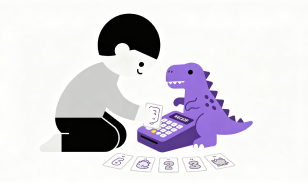


This summer, a dinosaur-shaped kids’ card reader went viral in North America. It achieved strong monthly sales and outperformed similar products. Its sales boom was driven not by big influencers, but an ordinary mother with a few thousand followers. She posted a demo video that gained tens of millions of views within days, and the product quickly sold out. This case is revealing. Many children’s smart devices come with screens and internet access, but this reader has neither. Priced around $40, it maintained robust sales. Why did it succeed where many rival products failed?

A Toy Fills Parents’ Summer Time Gap
Summer creates a schedule gap for children. From June to August, 3–5-year-old kids in the US have a two-month break. Preschools close, yet most parents still work. Children stay home all summer and need care and activities, bringing huge pressure to caregivers. The dinosaur card reader addresses this pain point. It lessens constant supervision. Kids insert cards into the dinosaur’s mouth to hear standard pronunciation of printed words. The set includes hundreds of vocabulary cards and household stickers for immersive at-home learning. One underrated marketing angle is preventing the summer slide. This term refers to learning loss; children lose academic momentum during long breaks without consistent stimulation. Widely discussed in US education, parents recognize this risk. They buy the toy not just for fun, but to maximize summer learning. Cutting screen exposure is core to its success.
Ditching Screens Becomes Its Smartest Selling Point
It is easy to add screens, Wi-Fi and algorithmic content to children’s gadgets. This dinosaur reader takes a different route. It works offline, with no screen or pop-ups to keep kids engaged. Parents need not worry about inappropriate content or overuse. Simple operation — insert a card to play audio — makes it usable even for toddlers. This back-to-basics design is its biggest advantage. Digital detox is a hot topic in the US and Europe. Young parents care deeply about kids’ screen time. They value peace of mind over excessive features. Safe design includes soft food-grade rubber, rounded edges and bite-resistant casing, vital for three-year-olds. Any kids’ product lacking basic safety standards struggles to attract parents; safety is a basic requirement. This product does not sell high tech, but security. Parents pay for worry-free childcare, free from injuries, screen addiction and information overload. Such emotional value is scarce in the children’s product market.

Thousands of Followers Drive Millions of Views: Content and Product Support Each Other
Product design contributes to success, yet content fuels most growth. Data shows over 90% of sales come from content marketing. A mom creator with only a few thousand followers shared footage of her child playing with the reader for over 30 minutes. The video reached nearly 10 million views. Viral content depends less on huge followings and more on authenticity. Genuine parenting stories from regular mothers resonate better than polished ads. AI algorithms can identify authenticity better than human marketers. Meanwhile, the product itself makes great content material. Its cute dinosaur look and instant audio feedback perform well in videos. Interactive stickers support varied shooting scenes. Good product design removes barriers for creators, who can simply showcase the product in daily family moments.
Wider Opportunities Seen From This Single Product
This successful launch signals a major market trend. The global educational toy market keeps growing, projected to reach $120 billion by 2030. Today’s parents want quality ways to occupy children, even during independent play. They seek toys that deliver learning value safely, and few options meet all three needs. Teams can learn from this case. Success does not demand complex technology or rock-bottom prices. Focus development on two questions: What problem does your product solve? Is your solution straightforward? Opportunities persist in language development, parent-child interaction and screen-reduction products. When developing goods, define users and usage scenarios first, instead of building products then hunting for sales channels.

Capturing overseas seasonal opportunities requires continuous market research. Novproxy’s stable global IP service enables efficient overseas data collection and verification, speeding up decision-making. Summer is just the start. Holiday and back-to-school seasons need advance planning. Only by understanding user demands can brands launch suitable products.
Conclusion
The dinosaur card reader gained popularity not through advanced technology, but thorough user understanding. It addresses parent and child demands during summer and delivers solutions satisfying both sides. Insight into user needs outweighs technology. For children’s products, this capability is the key to standing out.