




Every time Apple launches a new iPhone, consumers and the smartphone market around the world pay close attention. For regular users, price, design, and performance are the main factors when deciding whether to buy a new device. For brands, companies targeting overseas markets, and market research teams, the focus goes beyond product specifications. They also pay attention to price changes, consumer feedback, and competitor movements after a new product enters the market. These insights can help businesses better understand industry trends.
At Apple’s 2026 fall event, the iPhone 18 Pro series was officially introduced with upgrades in design, chip performance, and camera capabilities. After entering different markets, consumer reactions to pricing and new features have become important references for companies analyzing the high-end smartphone market.
iPhone 18 Pro Price: Higher Prices and Larger Storage Gaps
Price is always one of the biggest topics after a new iPhone launches. For high-end smartphones, pricing directly affects consumers’ purchase decisions. The iPhone 18 Pro series comes with multiple storage options. Compared with the previous generation, some versions have increased in price, especially higher storage models, which now have a larger price gap compared with the base version.
iPhone 18 Pro Price
| Storage | Official Price | Extra Cost Compared with 256GB | Increase Compared with iPhone 17 Pro | Growth Rate |
| 256GB | RMB 9,999 | — | RMB 1,000 | 11.1% |
| 512GB | RMB 11,999 | RMB 2,000 | RMB 1,000 | 9.1% |
| 1TB | RMB 15,499 | RMB 5,500 | RMB 2,500 | 19.2% |
| 2TB | RMB 20,499 | RMB 10,500 | — | — |
iPhone 18 Pro Max Price
| Storage | Official Price | Extra Cost Compared with 256GB | Increase Compared with iPhone 17 Pro Max | Growth Rate |
| 256GB | RMB 10,999 | — | RMB 1,000 | 10.0% |
| 512GB | RMB 12,999 | RMB 2,000 | RMB 1,000 | 8.3% |
| 1TB | RMB 16,499 | RMB 5,500 | RMB 2,500 | 17.9% |
| 2TB | RMB 21,499 | RMB 10,500 | RMB 3,500 | 19.4% |
From the pricing perspective, the gap between different iPhone 18 Pro storage versions has become larger, especially for high-capacity models. This change not only affects consumers’ buying decisions but also provides valuable signals for market observers. Whether users are still willing to choose higher storage versions after the price increase can reflect how they view the value of premium smartphones. In addition, consumer reactions to price changes may vary across different markets.
What Are the Upgrades in the iPhone 18 Pro Series?
Besides price changes, product upgrades are another major focus for consumers. As Apple’s flagship lineup, the Pro series represents the company’s latest developments in performance, photography, and premium user experiences. Compared with standard models, Pro devices usually attract users who need stronger performance, better cameras, and more advanced applications.
The iPhone 18 Pro and iPhone 18 Pro Max come with improvements in design, processing performance, camera systems, and smart features.
Design Upgrade: New Red Color and Glacier Blue Improve Product Recognition
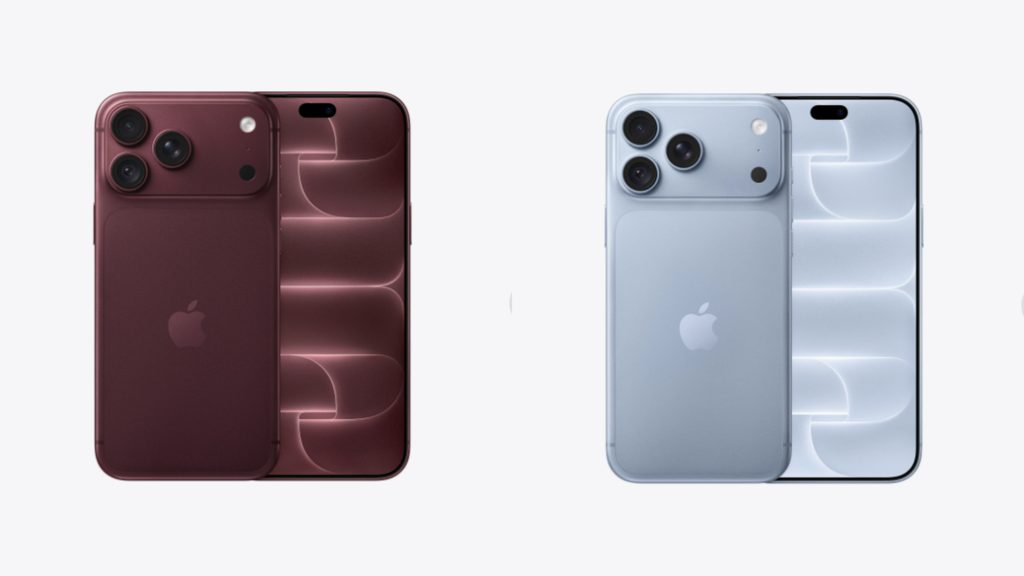
The iPhone 18 Pro series comes in four colors: Burgundy Red, Glacier Blue, Silver, and Black. Among them, Burgundy Red is introduced to the Pro series for the first time, giving the device a younger appearance. Glacier Blue uses a lighter cool tone, making the new model more recognizable.
For smartphone brands, color changes are not only about appearance. They also provide a way to understand consumer preferences. Discussions after launch, market feedback, and sales performance can help companies evaluate how well customers accept new designs.
A20 Pro Chip Brings Stronger Performance and Smart Features
The iPhone 18 Pro series is equipped with the A20 Pro chip, which improves processing efficiency, image processing, and AI computing capabilities. As AI features become more common in smartphones, local computing power is becoming increasingly important.
A more powerful chip can improve daily experiences while supporting more scenarios such as image processing, content creation, and intelligent applications. For businesses analyzing the smartphone market, hardware upgrades are no longer the only focus. Understanding how consumers respond to new features, experiences, and product value is equally important.
Camera System Upgrade: Stronger Professional Photography Capabilities
With the growing demand for short videos, social media content creation, and mobile photography, camera performance has become an important factor when consumers choose premium smartphones.
The iPhone 18 Pro series improves its camera system through hardware upgrades and better image processing technologies, providing users with enhanced photo and video experiences. This improvement may also create new opportunities for accessories and content creation markets.
iPhone 18 Pro Global Price Comparison: How Different Markets Differ
The price announced at the launch event is based on the China market, but the final retail price of the iPhone 18 Pro is not exactly the same in every region. Factors such as taxes, exchange rates, consumer purchasing power, and regional pricing strategies can all affect the final price. Even for the same product, prices may vary significantly across different markets.
The following prices are collected from publicly available market information. Actual prices may change due to exchange rates, tax policies, and local sales strategies. Please refer to official channels in each market for the latest pricing information.
Taking the iPhone 18 Pro 256GB version as an example:
| Market | iPhone 18 Pro 256GB Price | Approx. USD Price | Difference Compared with US Market |
| United States | USD 1,199 | USD 1,199 | — |
| Canada | CAD 1,749 | About USD 1,280 | +6.8% |
| UAE | AED 5,099 | About USD 1,388 | +15.8% |
| Japan | JPY 219,800 | About USD 1,470 | +22.6% |
| India | INR 164,900 | About USD 1,736 | +44.8% |
From the global price comparison, the iPhone price in the United States is relatively lower, while prices in some other regions are much higher due to taxes, import costs, and local pricing strategies.
For consumers, these differences can affect purchase decisions. For businesses, however, global price differences can reveal more information about local purchasing power, competitive environments, and brand pricing strategies.
For example, if the same flagship smartphone is much more expensive in India than in the US, the difference may be related to local taxes, market structure, and consumer habits.
These pricing differences can help businesses better understand regional market characteristics. However, a single price comparison only reflects the situation at a specific moment. More valuable insights come from continuously tracking price changes, user feedback, and competitor movements after a new product launch.

How Can Businesses Use iPhone Launch Data to Identify Market Opportunities?
After the iPhone 18 Pro enters the market, businesses are not only paying attention to the product itself. The launch also creates a large amount of information related to pricing, consumer demand, and market competition.
These data points can help companies understand what consumers care about and identify changes in the market. However, watching a launch event or checking a few product pages is not enough to understand the full market picture.
To discover real trends, businesses need to continuously collect and organize information from multiple sources.
Price Changes Reflect Consumer Acceptance
Product pricing is one of the fastest market signals after a new launch. Businesses can monitor product prices across different regional websites, ecommerce platforms, and retail channels. Important information includes launch prices, promotional changes, storage version differences, and long-term price trends.
For example, the iPhone 18 Pro has different prices in markets such as the United States, Japan, and India. Looking at only one market makes it difficult to understand the product’s actual global performance.
By continuously tracking prices across different regions, businesses can understand whether consumers accept price increases and identify which markets are more likely to experience promotions.
This type of pricing data is not only useful for smartphone companies. Businesses selling accessories, digital products, and related products can also use price trends to adjust their positioning and market strategies.
User Feedback Helps Understand Real Consumer Needs
Businesses can monitor ecommerce reviews, social media discussions, technology forums, and search trends to understand how consumers respond to new products.
For example, companies can analyze whether the new iPhone 18 Pro colors are popular, whether AI features influence buying decisions, whether users recognize performance improvements, and how consumers react to price increases.
Compared with sales data alone, user discussions often provide more details. If a specific feature continues to attract attention, it may indicate that the feature is influencing purchase decisions. Increased discussions about price increases may also show that consumers are becoming more sensitive to pricing changes.
These insights can help businesses better understand changing consumer needs.
Competitor Changes Reveal Industry Competition Trends
After Apple launches a new smartphone, other brands also pay attention to market reactions. Businesses can track the pricing, specifications, promotions, and performance of competing flagship smartphones and compare them with the changes of the iPhone 18 Pro.
For example, after the iPhone 18 Pro price increase, other smartphone brands may adjust their pricing, increase storage capacity, improve product features, or introduce promotions to attract consumers.
When multiple brands change their strategies in the same market, it may indicate new competition trends in the premium smartphone segment.
Web Data Collection Helps Businesses Continuously Obtain Market Information
When businesses need to monitor multiple countries and platforms, manually checking websites is no longer practical. Websites and ecommerce platforms in different regions change frequently, including product prices, inventory, promotions, customer reviews, and competitor information.
Web data collection can help businesses automatically collect this publicly available information and organize it based on market, platform, product model, and time.
For example, businesses can continuously track iPhone 18 Pro price changes in markets such as the United States, Japan, and India to create pricing trend data. They can also include information from flagship products of brands such as Samsung and Google to compare pricing strategies across different regions.
The collected data is not just a snapshot of the market at a specific moment. Instead, it becomes a long-term data foundation for observing industry changes.
Access Environment Is Also Important When Collecting Market Data

When analyzing global markets, one factor that is often overlooked is that users in different regions may see different website content.
Many ecommerce platforms adjust page displays based on the visitor’s location, including prices, currencies, inventory information, and promotional offers. For example, if a company wants to check the actual iPhone 18 Pro price in the Indian market but accesses the local platform from another region, it may see different prices or even be directed to another regional version of the website.
Therefore, businesses need to focus not only on how to analyze data but also on whether the collected information accurately reflects the target market.
Residential IP provides an access environment closer to local users. It can help businesses collect product pages and market information displayed in specific regions. For data teams that need to monitor multiple markets over a long period, this approach is more stable and more suitable for continuous data collection compared with manually switching network environments.
NovProxy provides residential IP resources covering multiple regions, which can support web data collection, price monitoring, and regional market research. For example, when analyzing the global performance of the iPhone 18 Pro, businesses can use residential IPs from regions such as the United States, Japan, and India to access local product pages and compare pricing changes, consumer feedback, and competitor strategies.
Conclusion
The global price differences of the iPhone 18 Pro are just one example of how businesses can observe overseas market changes. Every new product launch from Apple brings changes in pricing, consumer feedback, and competitive dynamics.
These insights not only influence consumer purchase decisions but also help businesses understand demand changes in different markets.
For companies focusing on overseas markets, the most valuable information is not only what happens on launch day, but also the continuous data generated after the product enters the market.
By accurately collecting market information from different regions and combining it with data analysis, businesses can identify market changes faster and adjust their strategies more effectively.
NovProxy provides multi-region residential IP resources to support different data collection scenarios.
Email: support@novproxy.com | Discount Code: VYJLpnEUQG