




Key Takeaways:
- South Korea began trial operations of its dedicated e-commerce customs platform on August 28, strengthening the connection between business information, order data, and customs declarations.
- The e-commerce business identification number and order transaction data are now key considerations, while the declaration arrangements of platforms and logistics providers may also affect sellers’ customs clearance processes.
- The new system includes a transition period through December 31, 2026, giving sellers time to confirm registration requirements, declaration methods, and order data preparation.
On August 28, South Korea’s Customs Service began trial operations of its dedicated e-commerce customs platform, marking another step toward the digitalization of e-commerce import clearance.
The change is not simply about introducing a new customs platform. It further connects business information, order data, and import declarations. According to the Korea Customs Service, the new platform will provide relevant e-commerce businesses with centralized registration and declaration services while receiving order-related information in advance.
For foreign trade businesses selling in the South Korean market, this means customs clearance is gradually moving beyond the stage after goods arrive and becoming more closely connected with orders and data. Information coordination among platforms, logistics providers, and customs authorities will also become increasingly important. So, what exactly has changed, and how could the new system affect sellers operating in South Korea?
Why Is South Korea Upgrading Its E-Commerce Customs System?
Growing Overseas Shopping Creates New Customs Pressure
In recent years, South Korean consumers have increasingly purchased products through overseas channels, with many imported goods entering the country as small parcels. As order volumes continue to grow, customs authorities must process more product, transaction, and declaration data.
The Korea Customs Service has also been working to digitalize e-commerce customs procedures, aiming to improve regulatory capabilities while allowing large volumes of e-commerce orders to move through import processing more efficiently.
Existing Customs Procedures Need Greater Efficiency
Under traditional procedures, some information is processed only after goods have been transported to South Korea. As order volumes increase, data verification, declarations, and information matching also become more demanding.
For large numbers of small-value e-commerce orders, receiving order information before goods arrive could reduce some of the information-processing workload after arrival.
Customs Data Is Moving Further Upstream
One important direction of the latest upgrade is to move some customs-related information from the post-arrival stage to the order and transaction stage.
The new platform introduced by the Korea Customs Service will receive order information from e-commerce businesses, allowing customs authorities to obtain transaction data earlier and then combine it with the actual shipment information for subsequent clearance.
In other words, South Korea’s e-commerce customs system is gradually shifting from simply asking how goods should be declared after arrival to obtaining key order information before the goods reach the country.
What Changes With the New E-Commerce Customs Platform?
Dedicated E-Commerce Customs Platform Begins Trial Operations
Starting August 28, the Korea Customs Service’s dedicated e-commerce customs platform began trial operations, providing relevant businesses with more centralized registration, information submission, and import declaration services.
A key goal of the reform is to integrate e-commerce customs information that was previously distributed across different stages, creating a clearer connection between businesses, orders, and customs declarations.
E-Commerce Business Identification Number Becomes a New Identifier
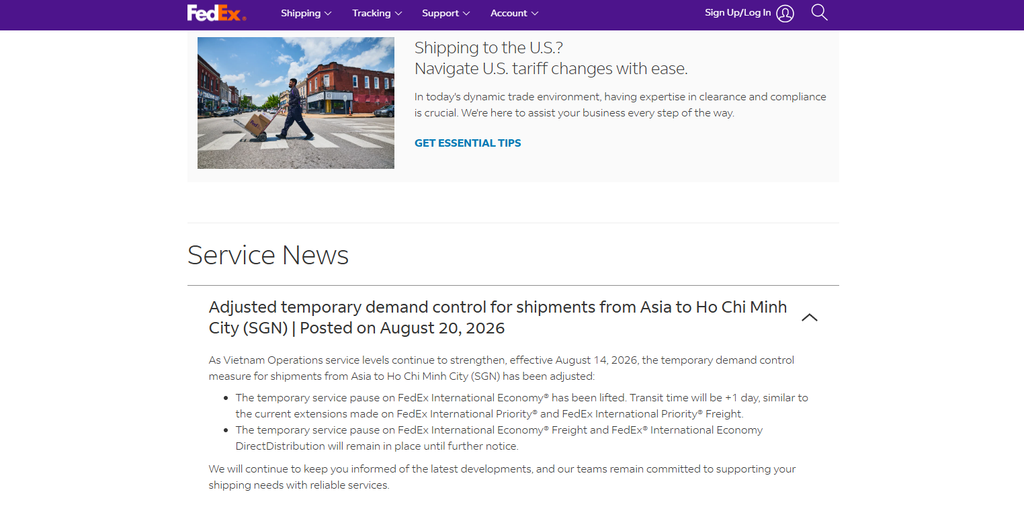
At the same time, the Korea Customs Service introduced an e-commerce business identification number registration system. According to a regulatory notice issued by FedEx Korea, eligible e-commerce businesses are required to register through the designated system.
The number is mainly used to identify businesses involved in e-commerce import activities and connect them with subsequent import declaration information. For foreign trade sellers, it is important to note that whether they need to complete the registration themselves depends on their specific roles in transactions, platform operations, and international transportation. Sellers should not assume that every business must independently handle the entire registration process.
Order and Transaction Data Becomes More Digitalized
The new customs system will further strengthen the digital transmission of order and transaction data. Eligible e-commerce businesses are required to submit customer and transaction information according to the relevant requirements, while some businesses may also need to transmit the required data to Korean customs through APIs.
For foreign trade businesses, this makes the accuracy of product, order, and transaction information particularly important. Information required for customs clearance is gradually moving from the declaration stage after goods arrive toward the point when an order is placed.
Business Identification and Order Data Become Key Declaration Elements
Business Entity Information Needs to Be Clearer
Previously, sellers mainly focused on whether their products could be successfully declared. Under the new system, however, greater emphasis is also placed on identifying the business entity.
Through the business identification number, Korean customs authorities can associate declaration information with a specific business, making future data verification and management easier. This is one of the more noticeable differences introduced by the reform: the identity of the business itself is becoming an important part of the e-commerce import data system.
Order Data Needs Greater Standardization
Order data is no longer simply information used internally for sales and logistics management. It is gradually becoming an important source of e-commerce transaction information for customs authorities.
For sellers, product information, order values, and transaction-related data need to remain accurate. If information differs between different stages of the process, businesses may face additional work when checking and preparing declarations.
Sellers should therefore review their order systems, product information, and transaction data in advance and ensure that relevant information remains consistent.
Customs Procedures Are Moving From Shipment Declarations to Order Data
In the past, sellers often handled customs-related procedures through logistics and declaration processes after goods had been shipped. The new system places greater emphasis on obtaining order and transaction information before goods arrive in South Korea.
This allows customs authorities to obtain certain transaction data in advance and then process the shipment based on the actual goods after arrival.
From a seller’s perspective, customs clearance is no longer something that only needs attention after a shipment is handed over to a logistics provider. The order stage is becoming more directly connected with subsequent customs procedures.
The New System Is Starting to Affect Foreign Trade Sellers
Platforms and Logistics Providers Play a More Important Role
For sellers using third-party e-commerce platforms to sell in South Korea, they may not necessarily need to handle every declaration procedure themselves.
Whether the platform has prepared for the new system, whether the logistics provider supports the new declaration method, and how order data is transmitted between the parties can all affect the subsequent customs clearance process.
Sellers therefore need to pay closer attention to the specific arrangements of their platforms and logistics providers rather than focusing only on their own shipping procedures.
Customs Requirements Are Starting to Affect Daily Operations
In the past, sellers may have focused more on products, pricing, and logistics. Under the new customs system, however, businesses need to pay greater attention to information preparation during daily operations.
Differences between sales systems, platform orders, and product information may also increase the workload involved in subsequent verification and processing.
South Korean Operations Require More Upfront Planning
Some customs issues in the past may not have been discovered until goods reached their destination. Sellers now need to confirm that relevant information is complete before orders are shipped and understand the specific requirements of platforms, logistics providers, and customs procedures in advance.
This makes business preparation for the South Korean market more important and gives companies more reason to leave sufficient room for adjustments when planning sales and shipments.
What Can Sellers Prepare in Advance?

Confirm the Platform’s Declaration Arrangements
If you sell to the South Korean market through a third-party e-commerce platform, first check whether the platform has prepared for the new system and who will be responsible for submitting order data.
If the platform handles the relevant declarations centrally, sellers mainly need to understand what information they are required to provide.
Confirm the Logistics Provider’s Customs Process
If customs clearance is mainly handled by a logistics provider, sellers should confirm whether the provider is ready to support South Korea’s new e-commerce declaration method and what additional information may be required.
Specific procedures may differ between logistics providers, so it is better to clarify the process before shipping.
Conduct South Korean Market Research in Advance
In addition to customs procedures, businesses preparing to enter or expand in the South Korean market should understand local consumer preferences, popular products, and competitor pricing.
With NovProxy’s IP services, businesses can access public webpages from different locations and collect information on products, prices, and competitors in the South Korean market. This can support product selection, pricing decisions, and market competition analysis.
Check Order and Product Data
Businesses can organize product information, order details, customer information, and transaction data in advance to ensure that the relevant information is complete and accurate.
If the new declaration process requires this information later, preparing it ahead of time can reduce the need for last-minute adjustments.
What Does the New System Mean for Customs Clearance Efficiency?
Early Confirmation of Declaration Requirements Can Reduce Later Adjustments
One of the most important changes introduced by the reform is that businesses need to understand their applicable declaration requirements earlier.
Confirming registration conditions, declaration methods, and required information in advance allows sellers to complete the necessary preparation before shipping and reduce adjustments caused by unfamiliarity with the new procedures.
Failure to Complete Required Registration May Affect the Declaration Method
For businesses that meet the relevant requirements but fail to complete the required registration, or cannot submit customer and transaction information through APIs as required, shipments may not be eligible for the corresponding dedicated e-commerce declaration process.
In such cases, goods may need to be processed under other import declaration methods, potentially increasing inspection risks and affecting customs clearance and delivery efficiency.
Regulatory Requirements and Efficiency Can Work Together
From a business perspective, additional data submission requirements may mean more preparation work upfront. However, when customs authorities receive order information earlier, some regulatory and verification processes can also begin sooner.
The upgrade is therefore not simply about making customs clearance more restrictive. South Korea is also using digital tools to improve the management and processing efficiency of e-commerce imports.
The Transition Period Gives Businesses Time to Adjust
It is important to note that the launch of the new platform on August 28 does not mean every relevant business must immediately complete the full transition.
A transition period is currently in place, giving businesses time to confirm whether registration is required, how data should be submitted, and which declaration method their logistics providers will use.
According to the relevant arrangements, the transition period will continue through December 31, 2026. For businesses already operating in South Korea, this period can be used to confirm procedures and check data rather than waiting until the final stage to make adjustments.
What Changes Are Taking Place in South Korea’s E-Commerce Market?

Overseas Shopping Remains an Important Part of the Market
South Korean consumers have long shown demand for purchasing products through overseas channels, making imported goods an established part of local e-commerce consumption.
For foreign trade businesses, this means the South Korean market continues to offer opportunities for overseas products. As the market grows, however, import management is also likely to become more developed, requiring businesses to consider both consumer demand and local operating requirements.
Competition in the South Korean Market Deserves More Attention
For foreign trade sellers, operating in South Korea is not simply about completing product sales. Businesses also need to pay attention to local consumer demand, competitor performance, and market changes.
The customs system upgrade itself will not change market competition, but for businesses preparing to enter or expand in South Korea, understanding local market conditions in advance can help them make more informed decisions about products, pricing, and sales strategies.
Compliance Preparation Matters Alongside Market Competition
In the past, businesses entering a new market often focused primarily on product demand, competitors, and pricing. As e-commerce import management becomes more developed in different markets, businesses also need to pay attention to local customs rules and operating requirements.
South Korea’s introduction of a new e-commerce customs platform is a clear example. For businesses preparing to enter or expand in the South Korean market, market research, product planning, and logistics arrangements should be accompanied by continued attention to local policy changes, leaving enough room to adjust future operations.
Conclusion
South Korea’s launch of its dedicated e-commerce customs platform marks another step toward the digitalization of e-commerce import clearance. For foreign trade sellers, the most important change is not simply the introduction of a new business identification number, but the closer connection being established between business entities, order data, and customs declarations.
The new procedures are still within a transition period, giving businesses time to confirm their platform and logistics arrangements.
For sellers planning to continue expanding in South Korea, it is better to confirm declaration procedures, review order data, and research local products and competitors now rather than waiting until the new system becomes fully established.
The South Korean market still offers opportunities, but the connection between products, market research, order management, and logistics and customs clearance is likely to become increasingly important for long-term operations.